

In 2026, nearly 3.1% of GDP expansion is expected to come from emerging economies, with regions such as Africa, India, Southeast Asia, and Latin America leading through mobile finance, digital commerce and rapid consumer adoption. At the same time, all these factors together have changed the way people discover, evaluate and buy products.
Across emerging markets, digital growth is rapidly changing consumer behavior. Africa’s mobile-first economy leads global mobile money usage, while India and Southeast Asia are seeing a surge in digital commerce through UPI, social platforms, and super apps.
In Latin America, digital wallets and e-commerce are bringing more people into the formal economy. These fast-moving changes mean brands can no longer rely on traditional research—they need real-time, region-specific insights from agile consumer panels.
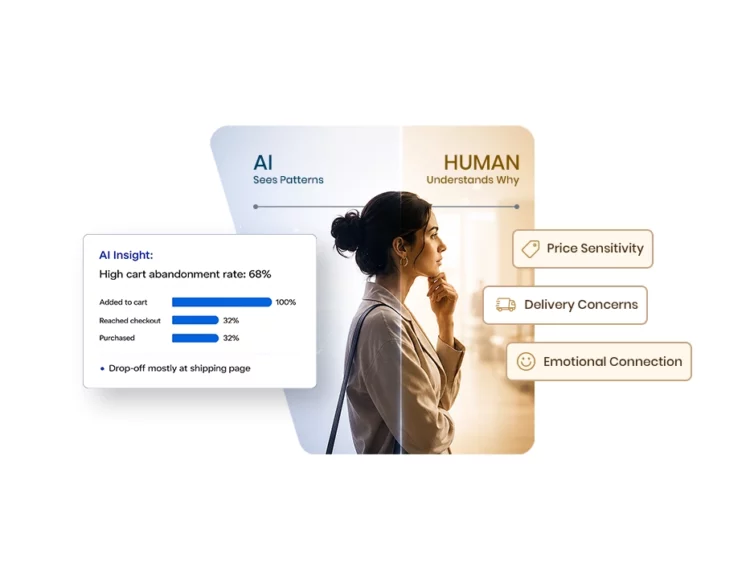
As these shifts continue to evolve, traditional market research methods often struggle to keep pace. It leaves brands in a reactive position instead of helping them stay ahead.
This is where consumer panels are transforming how organizations gather consumer insights, strengthen market research and respond to changing demand with greater speed and confidence.
Culture Is the New Driver of Consumer Behavior

Consumer behavior in emerging markets is no longer just about income levels or urbanization. It is deeply tied to identity, aspiration and social influence. Across regions, a few patterns are becoming impossible to ignore:
1.Identity-Led Consumption is Increasing
Consumers increasingly align purchases with values such as sustainability, inclusivity and local pride. In many markets, locally rooted brands are gaining preference over big international brands that have been around for a long time.
2.Community Influence Outweighs Individual Decision-Making
Purchase decisions are shaped by family networks, peer groups, and digital communities. Messaging that resonates culturally spreads faster and builds stronger trust.
3.Trust Is Conditional
What builds credibility in one region may not work in another region. Cultural nuances shape how consumers perceive quality, authenticity, and reliability.
For brands relying on static consumer research panels, this shift presents a clear risk. Without capturing cultural context, data becomes shallow. The opportunity lies in tapping into panels
Why Traditional Research Struggles to Spot Fast-Moving Micro-Trends in Emerging Markets?
Micro-trends are now scaling into mainstream movements at unprecedented speed, driven by digital platforms, creator ecosystems, and hyper-connected communities. What starts as a niche behavior—whether in beauty, payments, food, or content—can quickly spread across regions through short-form video, messaging apps, and influencers, turning into a major commercial opportunity within weeks.
This pace makes traditional research models, which rely on slower cycles and historical data, increasingly ineffective, as consumer behavior often evolves before insights can be captured
1.Over-Reliance on Static Segmentation: Age, income, or geography alone no longer explain fast-changing motivations and digital behaviors. Consumers with similar profiles may respond very differently to the same trend.
2.Lagging Indicators Dominate Decisions: Historical data explains what happened, but often misses what is emerging right now.
3.Limited Visibility Into Niche Communities: Rural digital adopters, gig workers, creator-led audiences, and other micro-segments are often underrepresented despite driving new behaviors.
For brands operating in emerging economies, spotting micro-trends early requires research that is continuous, culturally grounded, and responsive in real time. Without that, valuable growth signals can be missed until competitors have already acted.
How Global, Hyper-Niche Consumer Panels are Making a Difference
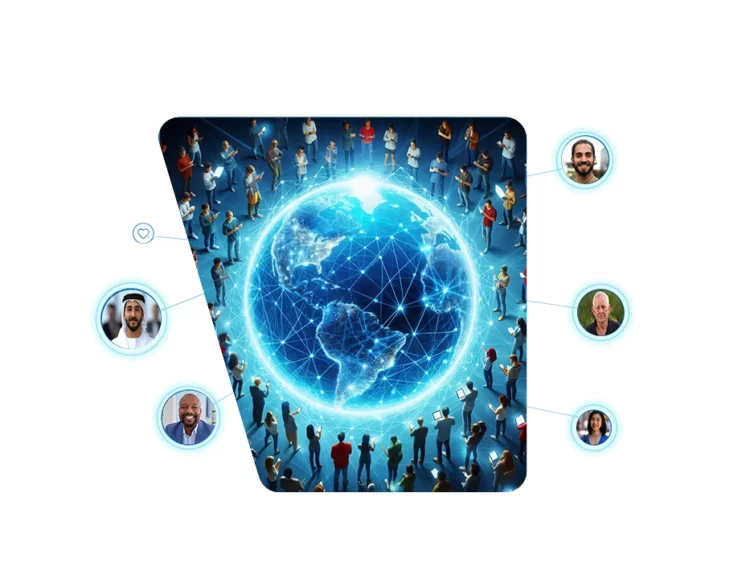
Unlike traditional approaches, modern consumer panels are designed to capture diversity, speed and depth simultaneously. Here is what makes them powerful:
- Access to Real, Diverse Voices: Panels span geographies, socio-economic segments, and behavioral cohorts. It offers a richer view of consumers.
- Continuous Insight Generation: Instead of one-off studies, brands can track evolving behaviors in real time.
- Reach into Hard-to-Access Audiences: From digital-first rural users to gig economy workers, panels unlock hard-to-reach consumer segments that were previously invisible.
- Culturally Grounded Insights: Data is contextualized within local norms, values, and behaviors, which makes it more actionable.
For organizations investing in consumer survey panels, the value lies not just in data collection, but in understanding how culture shapes decisions.
Borderless Access provides access to over 6.5 million highly profiled panelists mapped across 800+ behavioral and demographic attributes. We allow brands to go far beyond basic segmentation and reach highly specific audiences.
What differentiates Borderless Access is how we activate this data, including:
1.Hyper-Precise Audience Targeting
Instead of relying on broad categories, we enable brands to engage niche audiences, whether it is consumers in tier-2 cities, linguistically distinct groups or emerging digital segments.
2.Moving from Trend Spotting to Actionable Strategy
Instead of stopping at identifying trends, we connect insights directly to decision-making. Brands can test ideas, refine offerings and adapt strategies quickly using continuous feedback from consumer survey panels.
3.Understanding Cultural Codes, Aspirations and Tensions
Consumer behavior in emerging markets is shaped by identity, social influence, and evolving aspirations. We capture these cultural layers to help brands design strategies that feel relevant and authentic across regions.
This scale is further strengthened by our broader ecosystem, which spans 100M+ respondents across 90+ countries, including millions of proprietary panelists across key markets.
Transforming Early Consumer Signals into Strategic Advantage
Early signals from global consumer panels help brands understand cultural shifts before they become mainstream behaviors. By capturing changing attitudes, preferences, and unmet needs across regions, businesses can make smarter decisions on products, positioning, and customer engagement with greater confidence.
This allows organizations to move beyond reactive decision-making and develop strategies rooted in real consumer expectations. Instead of relying on assumptions, brands gain a clearer view of how values, habits and purchase drivers are evolving in fast-changing markets.
To go beyond surface-level data and access deeper consumer insights that help decode cultural change, connect with our experts today.
FAQ’s
1.What are consumer panels and why are they important?
Consumer panels are groups of pre-recruited individuals who participate in ongoing research. They provide continuous feedback and help brands track behavior, preferences and trends over time.
2.Why are emerging markets critical for future growth?
Emerging markets contribute significantly to global GDP growth. Their rapid digital adoption and evolving consumer behaviors make them key drivers of future demand.
3.How can businesses use consumer panels for better decision-making?
Businesses can use insights gathered from survey responses provided by real people to identify trends early, test concepts, refine messaging and localize strategies. This leads to more informed and effective decisions.