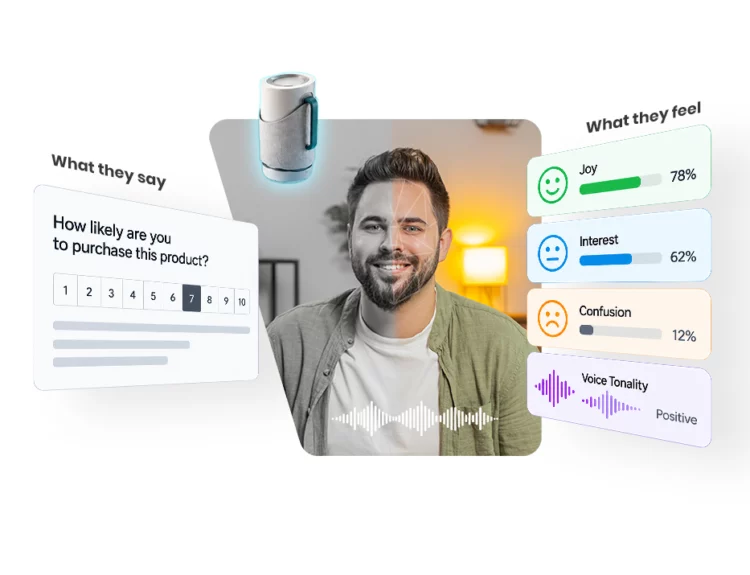



How do you measure something as intangible as trust or that feeling a brand evokes? Today, customers don’t just buy products. They buy experiences, identities, and ideas they believe in. As a result, not only is brand equity tracking now considered to be more than a fixed measurement, but it’s also a living, breathing engine of lasting growth.
In an experience-driven economy, where brands compete across countless, often indistinguishable touchpoints, true differentiation comes from creating culturally meaningful connections. Success is more about resonance than awareness now. To stand out, a brand must move beyond visibility and engage consumers on a deeper, more emotional level, reflecting their values, aspirations, and cultural context in every interaction.
Diagnosing Invisible Gaps in Brand Equity
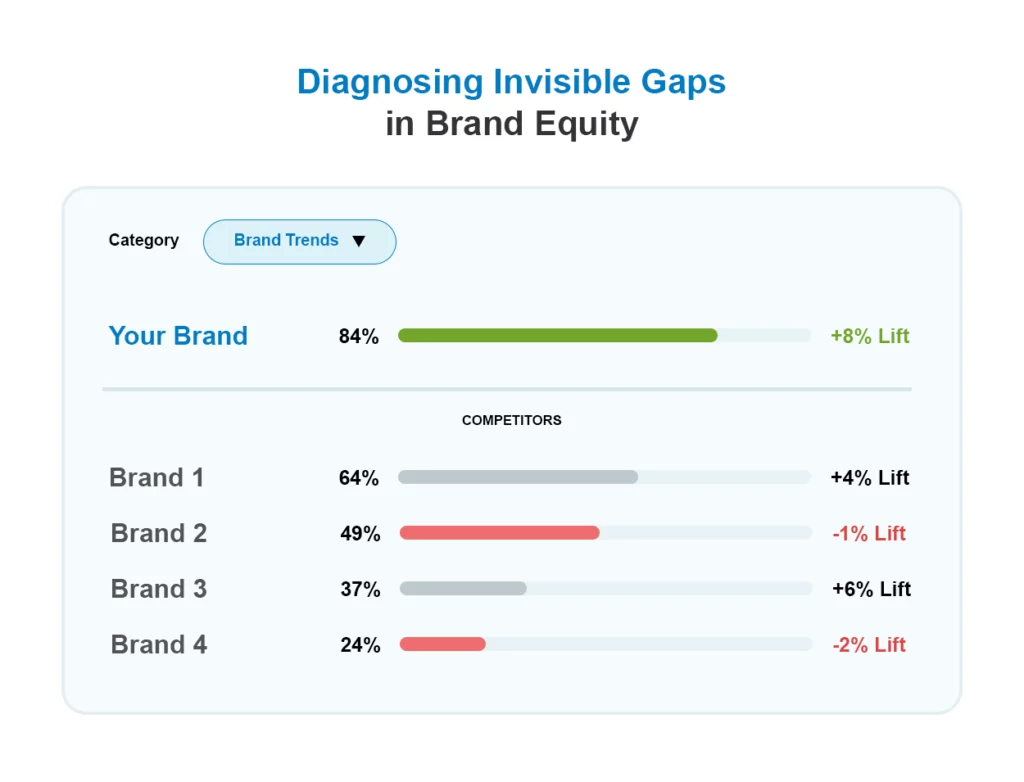
Emotional engagement is the foundation of lasting brand loyalty. When consumers feel their values align with a brand, they naturally become advocates, choosing it over cheaper or more convenient alternatives. But when that connection weakens, competitors quickly fill the gap. This is why continuous brand health tracking is essential. A proactive approach to brand tracking helps detect early signs of declining affinity and enables brands to strengthen emotional ties before loyalty starts fading off.
Standard metrics like sales or awareness scores fail to capture these subtleties. This is where advanced brand health tracking and predictive analytics become essential.
By tracking consumer behavior, sentiment, and brand trends, organizations can spot early signs of weakening brand equity before they become visible to the market. Predictive models help uncover even the most minor shifts in how consumers perceive the brand, guiding marketers to address potential issues and strengthen brand performance proactively.
Why Traditional Brand Equity Tracking Falls Short
For decades, brand tracking has focused on recall and awareness metrics. These traditional measures ask: How many people remember our brand? How familiar is the audience with our logo or messaging? While important, they offer only a partial view.
Transactional metrics like sales or market share reveal what consumers do, but not why they do it. In today’s consumer landscape where identity, values, and experiences drive choices, such KPIs fall short of capturing the emotional and cultural forces behind each purchase.
True brand strength lies beyond awareness; it’s shaped by sensory perception and emotional resonance. A brand that’s well-known but lacks meaning risks becoming superficial, while those that foster relevance and advocacy build deeper, lasting equity.
Transactional KPIs, such as sales and market share, only speak to emotional underpinnings and cultural relevance behind each transaction. In a consumer environment, priority is given to identity, values, and experience, transactional metrics are ineffective.
Which is why newer KPIs are now emerging that look to assess:
- Relevance: How relevant is the brand to consumer needs and values?
- Resonance: Do consumers feel strong, positive emotions about the brand?
- Advocacy: Are customers enthusiastic about recommending the brand to others?
We’ve entered a new era where understanding consumers goes beyond simply tracking their actions. It is about gaining a complete view of who they are, what drives their decisions, and the context behind their behaviors.
Making the Intangible Measurable
Addressing the complex challenges in maintaining a strong brand equity requires a new framework. Borderless Access offers a proprietary brand diagnostic tool based on affinity-relationship segmentation model to translate emotional drivers into measurable intelligence.
The proprietary model comprehensively investigates consumer attitudes, layering dimensions like affinity, or how fond or loyal a consumer is to the brand on contextual appeal, or the degree to which a brand fits with different cultural or market segments and conversion propensity, which predicts how likely a consumer will act favorably toward the brand.
The brand tracking framework helps in: –
1. Identify High-Potential Consumers with Precision
Not all awareness translates into loyalty—and not all consumers are equal in their potential value. Brand Kompass enables marketers to go beyond surface-level demographics and purchase intent, uncovering which audience segments exhibit the strongest emotional and behavioral affinity toward your brand. By understanding the drivers of brand preference—such as trust, shared values, and experience satisfaction—you can pinpoint conversion-ready audiences who are most likely to become long-term advocates.
2. Optimize Marketing Spend for Maximum ROI
In a world where marketing budgets are under constant scrutiny, efficient allocation is key. Brand Kompass helps identify where every marketing dollar delivers the highest return. By focusing campaigns on high-affinity segments, brands can reduce media wastage, sharpen targeting strategies, and achieve higher conversion rates, resulting in a measurable uplift in ROI across channels.
3. Adapt in Real-Time to Market Dynamics
Consumer sentiment change rapidly. Brand Kompass delivers real-time, detailed insights into how consumer perceptions evolve across markets, audience segments, and over time. These actionable insights enable brands to adjust messaging, creative strategies, and promotional offers, staying relevant and responsive to emerging opportunities or shifting consumer expectations.
4. Unlock Long-Term Brand Loyalty and Equity Growth
Brand equity is not built overnight. It’s the outcome of consistent, meaningful relationships between consumers and brands. By mapping how consumers move along the brand relationship continuum—from awareness to affinity, and ultimately to advocacy—Brand Kompass provides the intelligence needed to nurture loyalty, strengthen emotional bonds, and drive sustainable growth in brand equity.
How Borderless Access Helped a Luxury Travel Brand Achieve Global Presence
A compelling example comes from a luxury travel destination seeking to expand globally. The brand faced the challenge of maintaining exclusivity and emotional appeal while connecting with new, diverse markets.
Using Borderless Access’ brand diagnostics tool, the company identified detailed emotional drivers among key global segments. This revealed subtle perception differences across regions that broad surveys would have overlooked. With this information, the brand was able to craft culturally relevant campaigns that preserved authenticity while boosting global engagement.
The results were clear: improved brand lift, higher brand health scores, and a measurable rise in brand advocacy. The brand tracking insights also acted as an early warning system, highlighting potential challenges before they escalated.
By decoding shifts in consumer sentiment and preferences, Borderless Access enabled the brand to translate complex insights into actionable strategies. This demonstrated how holistic brand tracking can not only enhance performance and drive loyalty but also provide a strategic roadmap for expanding successfully across diverse markets.
Future-Proofing Brand Equity Measurement
In a fast-paced experience-driven marketplace, brands that rely solely on outdated recall metrics risk fading into obscurity. Every emotional nuance and cultural connection can make the difference between being ignored and earning lasting loyalty.
Today’s most iconic brands are measured not just by statistics, but by how they are felt, championed, and woven into the everyday stories of customers. With advanced tracking solutions such as Brand Kompass, the invisible forces of trust, affinity, and advocacy finally become visible, charting a roadmap for real growth.
Now is the time to move beyond surface-level metrics and embrace a future where brand equity drives real-world impact. By understanding what truly matters to their audiences, brands can build authentic connections, inspire advocacy, and establish a new standard of leadership.
In 2026 and beyond, those who master the intangible—emotions, trust, and cultural resonance—won’t just survive; they will shape the culture around them.
FAQs
Brand tracking is the ongoing observation of how people think and feel about a brand. It evaluates things like awareness, loyalty, emotional connection to the brand, and advocacy over time to evaluate the health of the brand and informs marketing decisions.
A brand lift study measures the short-term impact of a marketing campaign on the perception of a brand. Brand health tracking provides ongoing, holistic insights into the long-term strength and equity of the brand.
Brand awareness surveys measure how familiar a target audience is with a brand, serving as a basic but essential starting point for evaluating brand equity. However, true brand equity goes beyond awareness by assessing the emotional and cultural connections that foster customer loyalty and advocacy.
Brand Kompass goes beyond measuring brand awareness and recall by tracking brand affinity, contextual appeal, and conversion propensity. It transforms qualitative emotional insights into precise, quantitative metrics, delivering deeper, actionable intelligence that supports strategic decision-making.
Measuring brand equity effectively requires a combination of quantitative and qualitative approaches that go beyond simple awareness metrics. Key components include tracking customer loyalty, emotional connection, brand advocacy, and market perception over time.